From SEL to Safety
From SEL to Safety: A Survivor‑Led K–12 Framework for Confidence, Emotional Regulation, and Personal Safety (Aligned with MTSS)
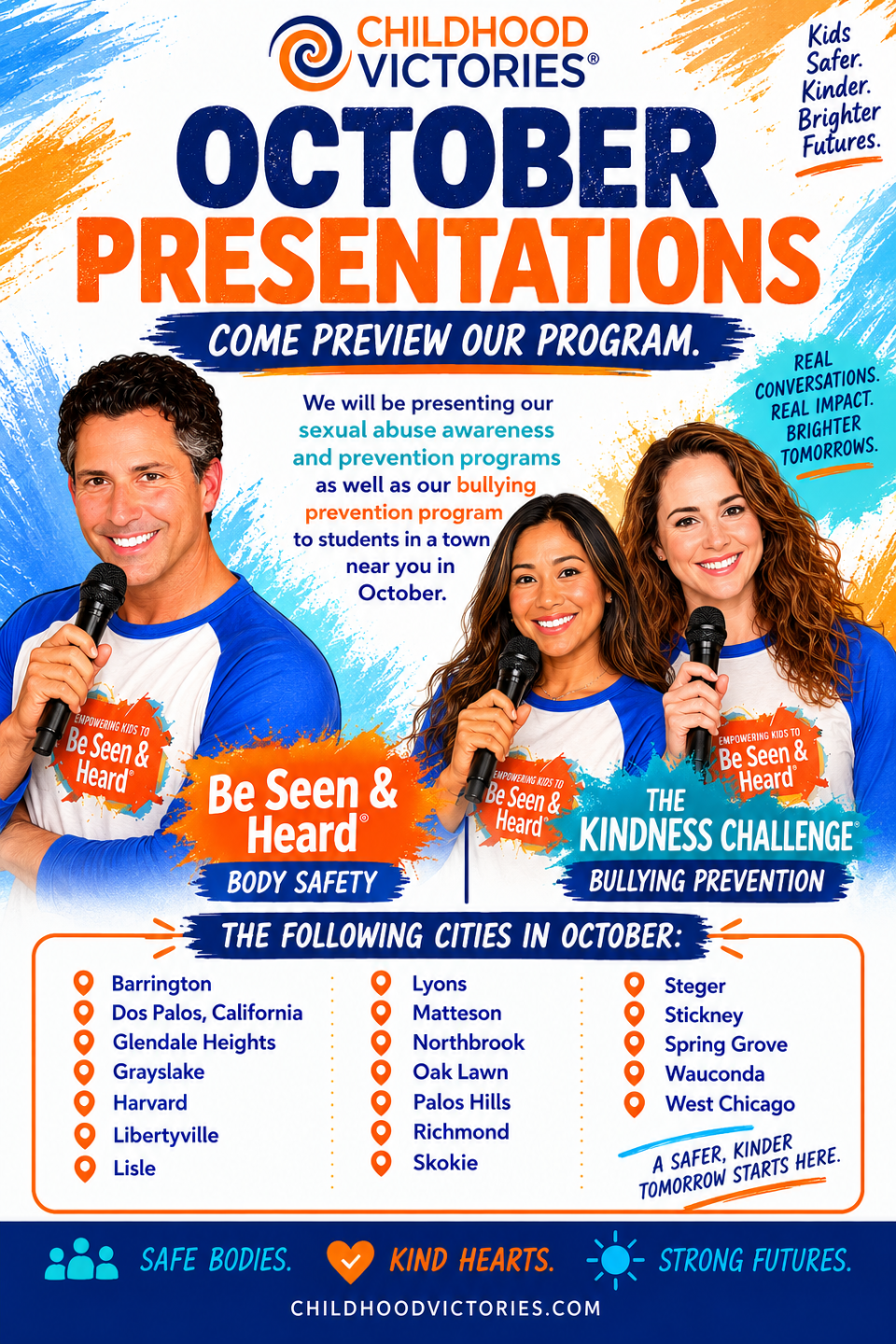
Most safety programs skim the surface, leaving educators unsure how to handle tough topics like sexual abuse, trafficking, and gun safety. Childhood Victories offers a survivor-led K-12 personal safety program that fits smoothly within your district’s SEL and MTSS goals. This framework builds student confidence, emotional regulation, and personal safety while meeting mandates like Erin’s Law. Request your free alignment map and see how these lessons can strengthen your school community today. For more information on how to fulfill Erin's Law, visit this link.
Survivor-Led Safety Education
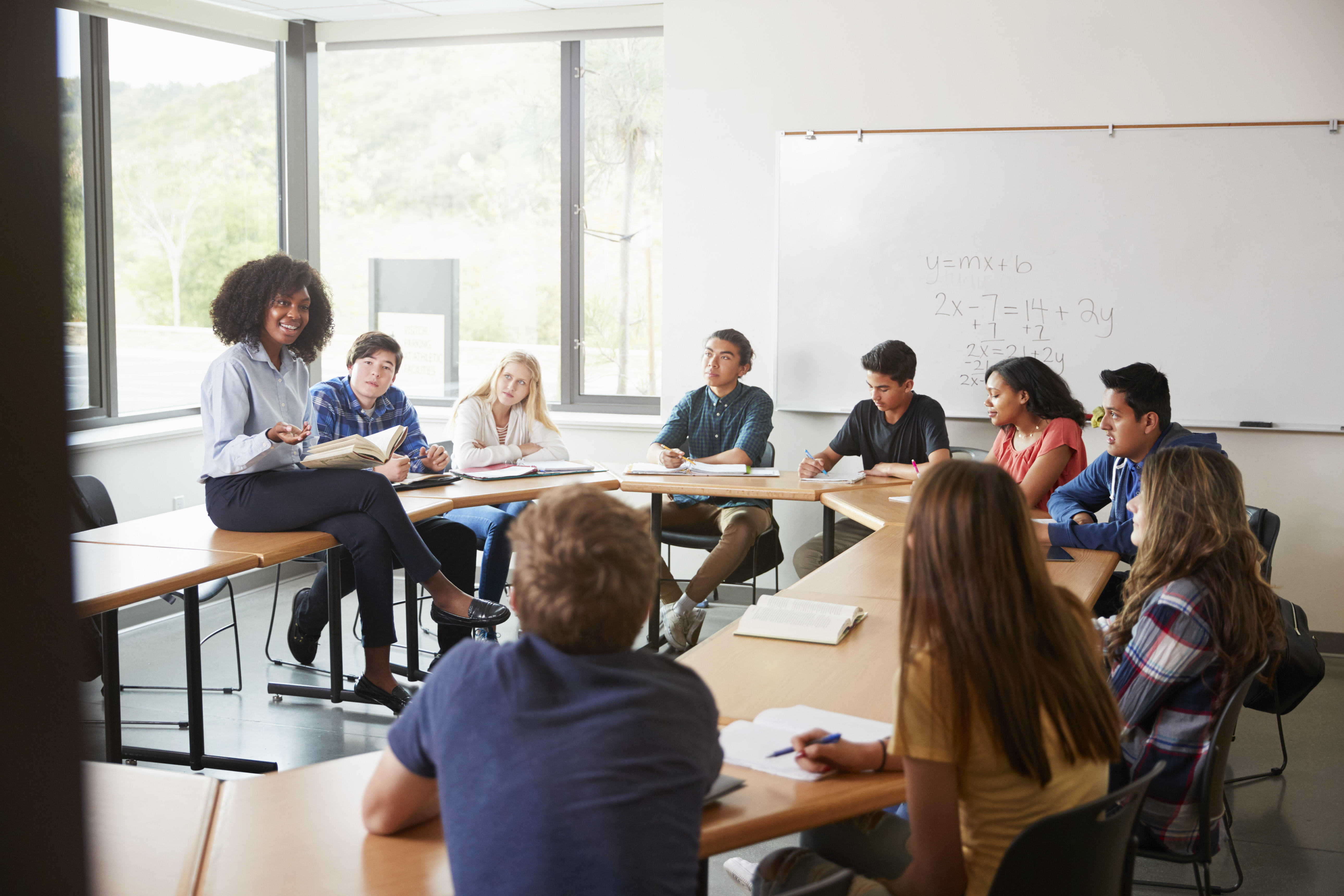
Imagine a classroom where students feel safe and empowered to speak up. This vision starts with a survivor-led safety education program that goes beyond typical lessons. Childhood Victories introduces an approach that addresses complex topics honestly and effectively.
Creating a Safe Learning Environment
A safe classroom encourages students to share their thoughts and concerns. This begins with open conversations about body safety. By introducing topics like sexual abuse awareness and gun safety, students learn to identify risks and gain confidence.
Children need clear examples of what a trusted environment looks like. Sharing relatable stories helps them understand safety concepts better. For instance, a story about a student confiding in a teacher can highlight the importance of speaking up.
Bullet points can also simplify this understanding:
-
Identify risks: Recognize unsafe situations.
-
Build trust: Know who to approach for help.
-
Encourage openness: Share concerns without fear.
The Role of Trusted Adults
Trusted adults play a crucial role in a child’s safety. They are the anchors who provide guidance and support. For students, having an adult they can turn to is vital. It’s not just about being available but showing genuine care and understanding.
Educators can foster trust by actively listening and responding to students' needs. A simple, “I’m here to help you,” can make a world of difference. Student disclosure pathways ensure that children know how to reach out when they need assistance.
Adults can also use external resources to strengthen their approach. For practical activities, explore these suggestions designed for primary students.
Comprehensive K-12 Framework
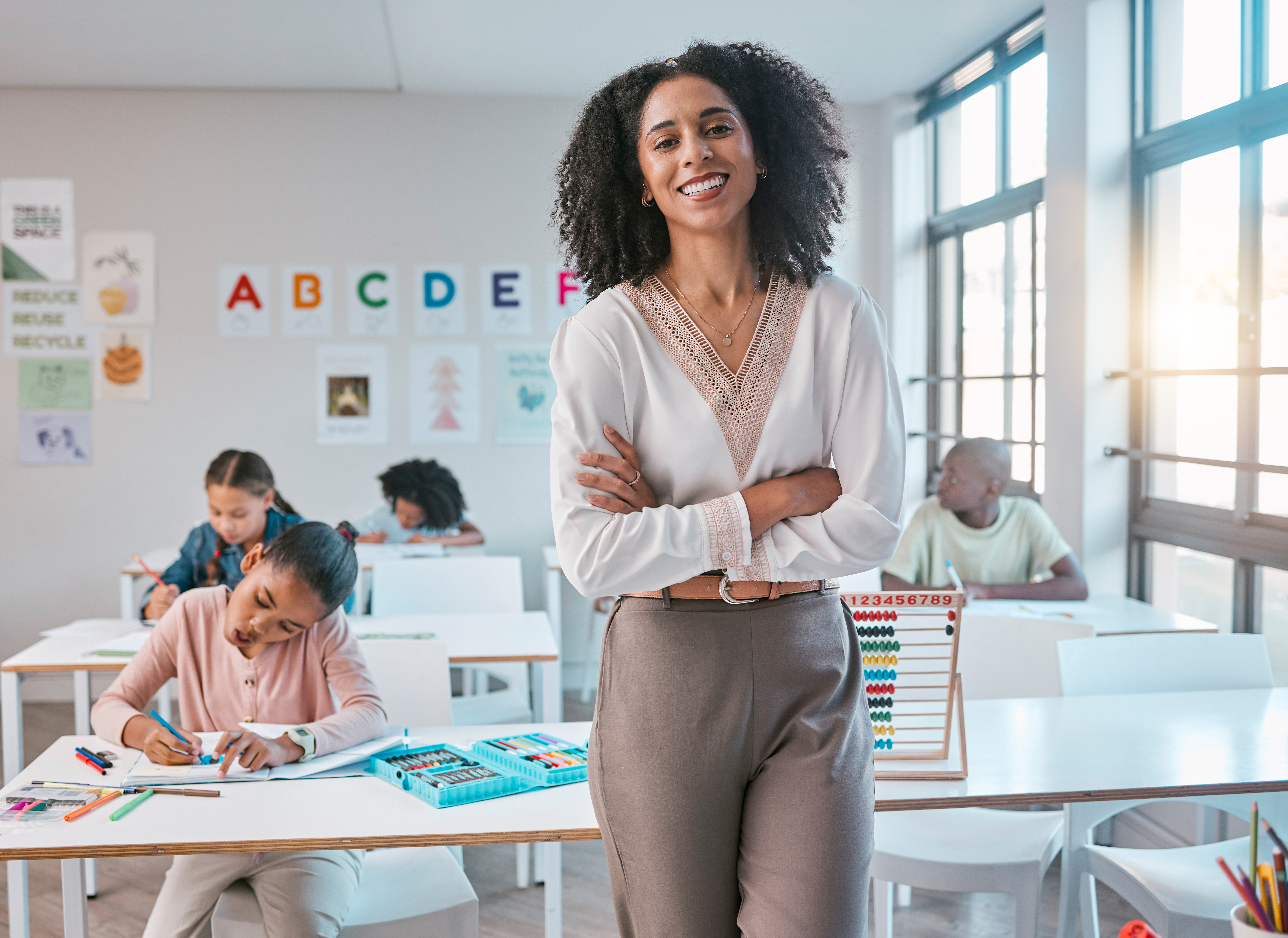
Transitioning to a comprehensive framework means incorporating safety education into every grade level. This approach ensures that students are continuously building on their knowledge and skills, preparing them for a variety of situations.
Integrating SEL and MTSS
Social Emotional Learning (SEL) and Multi-Tiered System of Supports (MTSS) are essential for student development. By integrating safety education within these frameworks, students learn valuable skills like emotional regulation and resilience.
For instance, using anti-bullying curriculum within MTSS helps identify and support students at different levels of need. This integration allows for a more personalized learning experience, catering to each child’s unique circumstances.
Consider this structure for integrating SEL and MTSS:
-
Tier 1: Universal safety lessons for all students.
-
Tier 2: Targeted interventions for those needing additional support.
-
Tier 3: Intensive, individualized assistance for high-need situations.
Legal Compliance and Erin's Law
Legal mandates like Erin’s Law require schools to educate students on sexual abuse prevention. Compliance is not just about meeting requirements; it’s about creating informed students who understand their rights and can protect themselves.
Erin’s Law ensures that students are educated about their safety from a young age. Programs aligned with this law provide a structured way to address sensitive topics in an age-appropriate manner.
Practical Tools and Resources
Educators often face challenges in teaching complex subjects. Having the right tools can make a significant difference. Childhood Victories offers resources like online video modules and detailed lesson plans that simplify the process.
These materials include:
-
Interactive videos: Engaging content for students.
-
Lesson outlines: Step-by-step guides for educators.
-
Continuous support: Access to experts for advice and guidance.
Engaging with the Community
A successful safety program involves the entire community. Parents, educators, and local leaders must work together to create a supportive network for students. By hosting workshops and community events, everyone can stay informed and involved.
Parents play a pivotal role by reinforcing classroom lessons at home. Providing them with access to training sessions ensures they are equipped to continue conversations about safety. This collective effort creates a stronger support system for students.
In conclusion, the longer you wait to implement a comprehensive safety framework, the more you risk leaving students unprotected. Act now to empower your community and create a safer environment for all students.